U.S. Stocks Rebound as Fed Rate Hike Shock Fades; Tech and Chip Stocks Lead the Rally
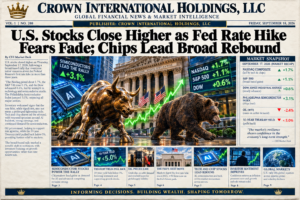
U.S. Stocks Rebound as Fed Rate Hike Shock Fades; Tech and Chip Stocks Lead the Rally
Summary: U.S. stocks staged a strong rebound on Thursday, recovering from the sell-off triggered by the Federal Reserve’s hawkish rate hike on Wednesday. The Nasdaq Composite led the gains, with semiconductor stocks standing out. Meanwhile, falling oil prices and a pullback in 10-year Treasury yields below 5% helped ease investor concerns about inflation and borrowing costs. All three major indexes ended a three-day losing streak.
Market Overview: All Three Major Indexes Close Higher
U.S. stocks closed broadly higher on Thursday, fully erasing losses from the previous session’s Fed-driven sell-off.
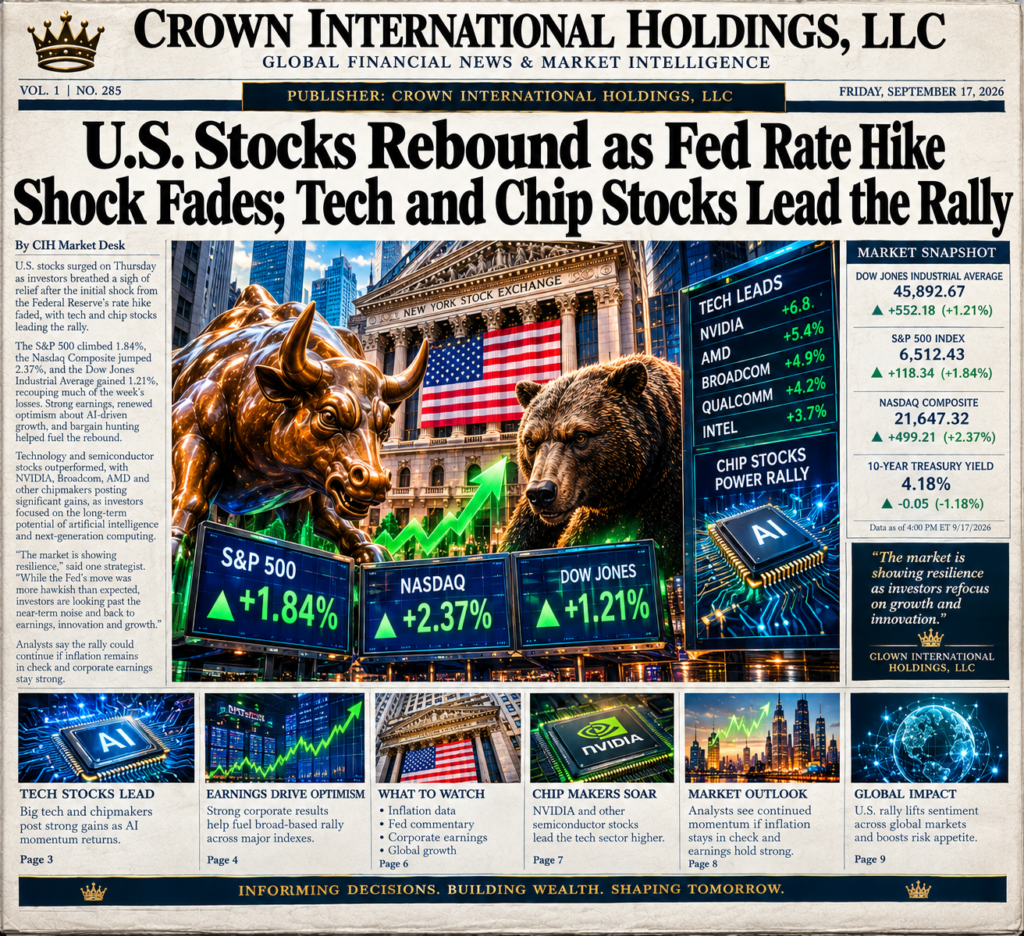
As of the close, the Nasdaq Composite gained 1.7% to close at around 26,420. The S&P 500 rose 1.1% to approximately 7,635. The Dow Jones Industrial Average lagged but still added about 317 points, or 0.6%.
By sector, technology and healthcare stocks led the advance, while energy was the weakest performer. Semiconductor stocks were the standout group of the day, with the Philadelphia Semiconductor Index (SOX) surging 3.3%, as all 30 components finished in the green. The semiconductor ETF SOXX jumped more than 3.5%.
Key Market Drivers: Three Bullish Forces Fuel the Rebound
Fed Rate Hike “Boots on the Ground” — Market Reassesses
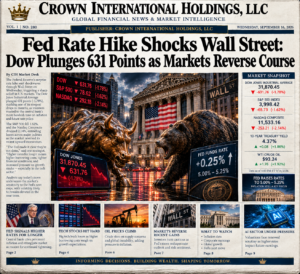
The Federal Reserve announced on Wednesday that it would raise the federal funds rate target range by 25 basis points to 3.75%–4.00%, the first hike since July 2023. The statement passed with a unanimous 12-0 vote, and the dot plot showed 16 of 18 officials expect at least one more hike before year-end.
Fed Chair Kevin Warsh emphasized in his press conference that inflation remains the core issue and that recent data has not shown meaningful improvement. That hawkish tone initially sparked a sell-off, but investors digested the message on Thursday. Chris Osmond, chief investment officer at Fifth Third Wealth Advisors, said: “This appears to be a vote of confidence from the market: investors believe the Fed’s resolve will ultimately bring inflation under control, which is a precondition for a sustained stock rally.”
Oil Prices Extend Losses
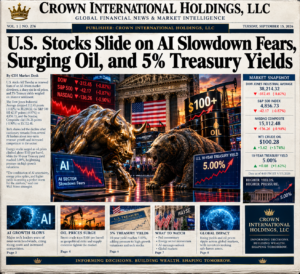
Brent crude fell about 5% to around $103 per barrel, retreating from earlier weekly highs. The decline was driven mainly by easing concerns over Middle East supply disruptions — Saudi Arabia is increasing crude exports through Oman’s Sohar port to offset the impact of a damaged East-West pipeline. The U.S. also assured that the damaged pipeline is expected to resume operations within days.
Treasury Yields Pull Back from Highs
The 10-year Treasury yield fell about 6 basis points to 4.95%, retreating from above 5.01% on Wednesday, its highest level in 19 years. The pullback significantly eased valuation pressure on equities, particularly providing strong support for long-duration assets such as tech and semiconductor stocks.
Stock and Sector Highlights
Generac surged nearly 20%, making it one of the day’s biggest winners. The company announced a data center partnership with Amazon, and the market reacted positively to its positioning in AI infrastructure.
Semiconductor stocks rallied broadly. Intel jumped 8.6% after its CEO said capacity and memory shortages are limiting the company to meeting only half of CPU demand. Micron Technology rose 5.59%, AMD gained 3.53%, and Marvell Technology soared 6.35%. Storage chip maker Sandisk also posted significant gains.
Most mega-cap tech stocks advanced. Nvidia rose about 1.8%, Amazon gained 1.99%, Tesla climbed 2.96%, and Microsoft added roughly 1%. CoreWeave bucked the trend, falling nearly 4% after announcing a $3 billion convertible bond offering, as investors grow increasingly cautious about tech companies taking on debt to fund AI buildouts.
Economic Data: Labor Market Remains Solid
Thursday’s U.S. initial jobless claims data unexpectedly declined. For the week ending September 12, initial claims fell by 10,000 to a seasonally adjusted 196,000, below economists’ forecast of 208,000. The four-week moving average dropped to 203,250, indicating the underlying trend in the labor market remains firm.
Fed Chair Warsh called the labor market “a fundamental sign of strength” and said policymakers believe “the unemployment rate is essentially consistent with full employment.” The solid labor data gives the Fed room to continue fighting inflation.
The housing market, however, remains under pressure. Single-family building permits fell 1.8% in August to an annualized 878,000. The 30-year fixed mortgage rate averaged 6.76% last week, the highest in more than a year.
Outlook
Despite Thursday’s clear improvement in sentiment, investors still face multiple uncertainties. Oil prices have retreated but remain above $100 per barrel, and the Middle East conflict could widen further and push inflation higher. The Fed’s dot plot shows most officials expect another hike before year-end, leaving the monetary policy path uncertain.
Matt Maley, chief market strategist at Miller Tabak + Co., noted: “The market is celebrating the start of a hiking cycle, but that means borrowing costs will continue to rise. What investors need to weigh is whether the Fed can control inflation without triggering a recession.”